







Search Results for: syrup usage

Coffee with Syrup or Sugar? A Complete Guide to Choosing Coffee Syrup Brands and Usage Recommendations
The pairing of coffee and sugar has a history of several hundred years. From 16th-century European aristocrats using sugar to mask the burnt bitterness of inferior coffee, to today's third wave, which champions tasting coffee in its original form, the role of sugar has undergone a dramatic shift. The rise of syrups has brought rich artificial flavors to coffee and also lowered the barrier to entry. This article sorts out the essential differences between sugars and syrups used in coffee, syrup brand choices (including Front Street Coffee's recommendations), and the appropriate amount of syrup in coffee. It also explores the science behind sweetness addiction and the dilemma baristas face when customers add sugar, helping coffee lovers find a balance between flavor and individuality. [more…]
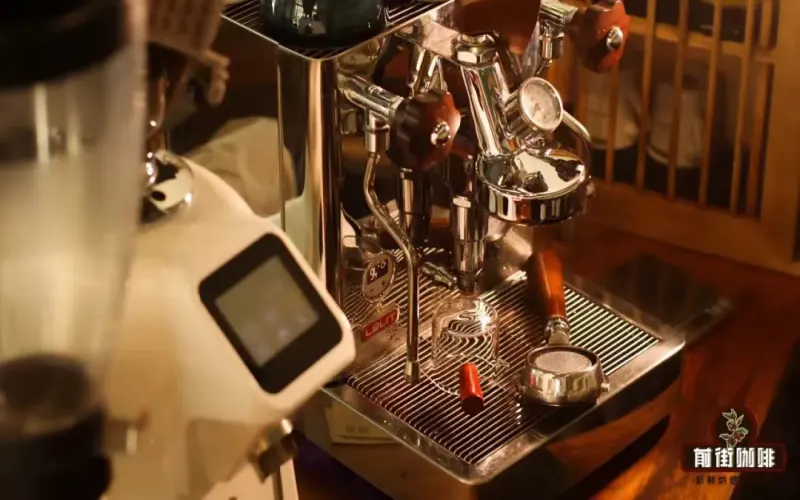
Coffee Machine Recommendations | How Can Coffee Beginners Choose an Espresso Machine? What Types of Home Coffee Machines Are There? Introduction to Coffee Machine Varieties, Features, Performance, and Usage
The emergence of coffee machines has made people's lives more convenient. Through word of mouth and mutual recommendations, coffee machines can now be found in homes, offices, and commercial settings, and their functions, styles, and brewing methods have continuously been improved and evolved. From the birth of the world's first coffee machine in 1818, to [more…]

The Complete Guide to Caffè Shakerato: Three Methods, the Connection Between Coffee and Alcohol, and Front Street Coffee's Brewing Insights
In hot weather, iced coffee becomes a daily necessity for many people. Besides common options like cold brew, iced pour-over, and iced Americano, there is also a popular fancy coffee in Italy during summer—Caffè Shakerato, meaning "shaken coffee." Its method derives from bartending techniques, using a shaker to shake espresso with ice cubes into a dense foam, offering a cold taste, delicate texture, and rich aroma. In this article, Front Street Coffee will sort out the origins of Caffè Shakerato and the "coffee by day, alcohol by night" business model, and share three preparation methods: the classic version, the modern version, and James Hoffmann's cream whipper version. It will also explain operational details such as ingredient substitutions and the order of syrup use, making it easy for coffee enthusiasts to replicate at home. [more…]

The Complete Guide to Cold Brew Coffee: Origins, Principles, Caffeine Truth, and Bean Pairings
On a hot summer day, cold brew coffee becomes the favorite of many coffee lovers. But when it comes to its origins, brewing principles, caffeine content, and which beans to use, there are all kinds of claims floating around. From the perspective of Front Street Coffee, this article sorts out the historical thread of cold brew coffee, from the Dutch sailor legend to its actual invention in Kyoto, Japan, explains in detail the water-to-coffee ratio, filter paper usage, pre-infusion, and fermentation steps in cold brew equipment operation, and responds to the controversy over whether cold brew coffee's caffeine content is actually high or low. Finally, it offers two cold brew blend recipes commonly used by Front Street Coffee, to help you make cold brew coffee with full aroma and a smooth mouthfeel at home. [more…]

Making Osmanthus Coffee at Home in Autumn: A Detailed Guide to Three Recipes—Americano, Latte, and Caramel Crème Brûlée Latte
The autumn breeze brings refreshment, and the fragrance of osmanthus fills the air—it's once again the season best suited for incorporating osmanthus into coffee. This year, Front Street Coffee has brought a richer lineup of osmanthus coffee recipes than in previous years, including the easy-to-make osmanthus Americano and osmanthus latte, as well as the more elaborate yet stunningly layered osmanthus version of the caramel crème brûlée latte. This article will explain one by one the required ingredients, the approach to selecting coffee beans, and the detailed preparation parameters and precautions for the three beverages. It will also address common questions such as whether osmanthus can be placed directly into the coffee machine for extraction and how to prevent osmanthus from turning bitter. Whether you prefer a refreshing, sugar-free Americano or are devoted to a rich, creamy latte, you'll be able to find the cup that suits you to recreate at home. [more…]

Can Coffee and Alcohol Be Drunk Together? A Detailed Look at the Origins, Recipe, and Key Steps of the Espresso Martini
Can coffee and alcohol be paired? The answer is yes, and the most iconic example is the Espresso Martini. This cocktail was created in 1980s London by bartender Dick Bradsell, blending espresso with vodka, coffee liqueur, and syrup to deliver both a pick-me-up and a gentle buzz. Since espresso makes up as much as one-third of the drink, its quality directly determines the balance and flavor of the final product. This article introduces the origins of the Espresso Martini, the challenges of making it, and shares a recipe and extraction plan developed through a collaboration between Front Street Coffee and the neighboring bar, giving you insight into this classic specialty drink that is both simple and refined. [more…]

Espresso blend flavor calendar: when to start drinking after roasting
In the first few days after an espresso blend is roasted, the beans are still releasing carbon dioxide. If you pull a shot during this time, the puck is easily disturbed by the gas; the crema may look thick and rich, but the sip can taste loose and the aroma isn't fully focused. Planning together around the roast date, the expected opening date, and daily usage is often better than simply chasing freshly roasted beans [more…]
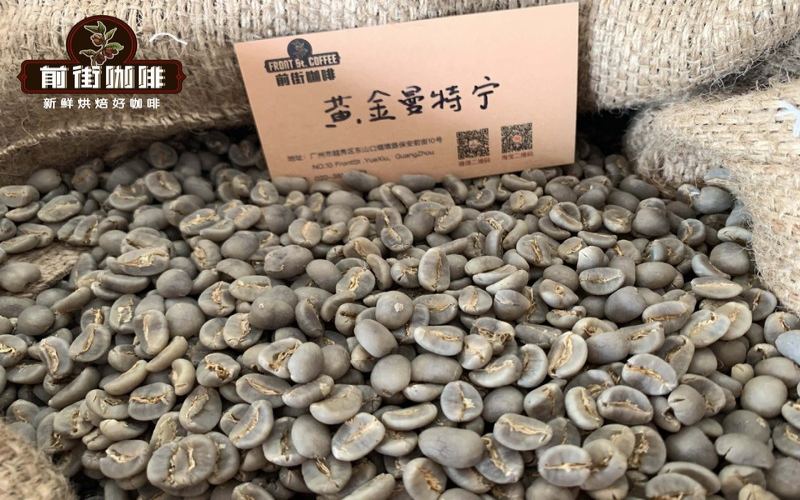
Moka Pot Medium-Dark Roast Beans: Timing Every Cup from Roast Date
Making medium-dark roast coffee beans with a moka pot is fascinating because the cocoa, caramel, and roasted aromas are concentrated, but these aromas do not settle into their proper place immediately after roasting is completed. When degassing is still vigorous, the flow may seem hurried and the aroma slightly dispersed; if left to rest too long, the fragrance in the nasal passages gradually narrows. Therefore, when selecting beans, besides [more…]

Comparison of Clever Dripper and French Press Brewing: Choosing Immersion-Style Coffee Gear and Analyzing Flavor Differences
Want to drink black coffee but don't want to fuss with a pile of pour-over gear? Immersion coffee brewers have therefore become the daily first choice for many enthusiasts, with the Clever Dripper and the French press being the most representative. Both complete extraction through immersion, with a low barrier to operation, yet the flavor direction in the final cup is vastly different. This article uses Front Street Kenya Asalia coffee beans as a sample and, under the premise that the dose, coffee-to-water ratio, grind size, water temperature, and immersion time are completely identical, conducts a brewing comparison between the Clever Dripper and the French press, breaking down one by one the device structure, operating process, and flavor presentation, and analyzing the extraction principles that cause the differences, finally giving purchasing and usage suggestions to help you make a suitable choice based on your preference for cleanliness and convenience. [more…]

Luckin Store Recipe Wall Sparks Discussion: New Observations on the Coffee Industry Behind Ingredient Transparency
Recently, the practice by several Luckin Coffee stores of posting drink recipes directly on their walls has sparked widespread discussion on social media. From Blue Diamond Ristretto Ice to Grapefruit C Americano, the detailed ratios of these signature drinks have been made public, allowing consumers to glimpse the internal operating procedures of a chain coffee brand. At the same time, Luckin's transparency regarding ingredient usage has also drawn attention, with raw material products even appearing on online shopping platforms labeled "dedicated for cheese latte." This phenomenon not only reflects the coffee industry's exploration of the balance between standardization and transparency, but also triggers discussion about the relationship between brands and consumers. For coffee enthusiasts, this may be an opportunity to understand how commercial coffee operates and even try to replicate it. Front Street Coffee reminds everyone that when making drinks at home, you can adjust the recipe ratios according to personal taste and enjoy the fun of DIY. [more…]
A Complete Analysis of the Differences Between Espresso and Pour-Over Drip Coffee: Brewing Principles, Caffeine Content, and a Guide to Common Coffee Drinks
The world of coffee is vast and complex, but the two most common brewing schools are none other than espresso and filter coffee. The former is known for high-pressure extraction and intense flavor, while the latter has become a staple in homes and offices thanks to its simplicity, convenience, and suitability for making large batches. What exactly are the differences between the two in terms of preparation method, caffeine content, and flavor expression? Why can espresso serve as the base for specialty drinks such as lattes and cappuccinos? Why can the water-to-coffee ratio differ by several times? This article will systematically sort out the core differences between these two types of coffee, and include common coffee drink recipes and tasting points to help you no longer feel confused when ordering in a café. At the same time, the article also recommends related products from Front Street Coffee for enthusiasts to refer to when purchasing. [more…]
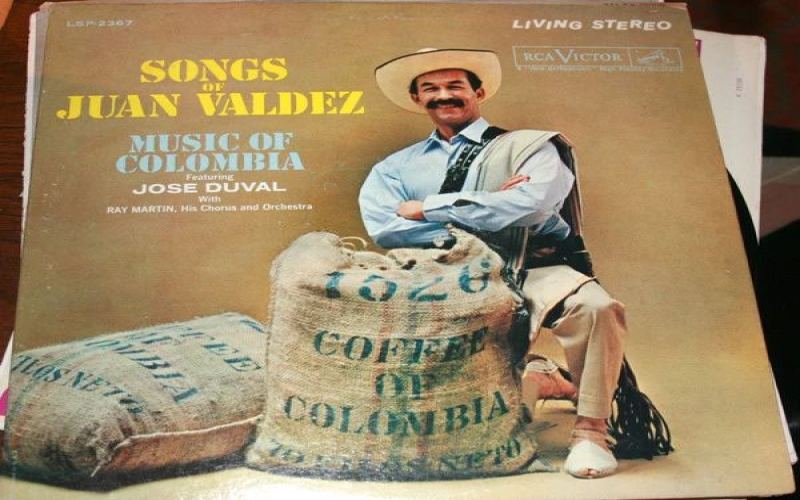
Washed Coffee Beans Recommendations: Balancing Budget and Drinking Frequency
Washed coffee beans aren't something you memorize by learning a few names. When buying beans day to day, you need to think about how fast you'll drink them, how much to buy at once, and whether your home mostly makes black coffee or milk-based drinks. What's truly worth referencing is the sweet-to-sour ratio on the palate, the body's thickness or thinness, and the aftertaste once the coffee cools—then, combined with your brewing habits, your range of choices will gradually [more…]
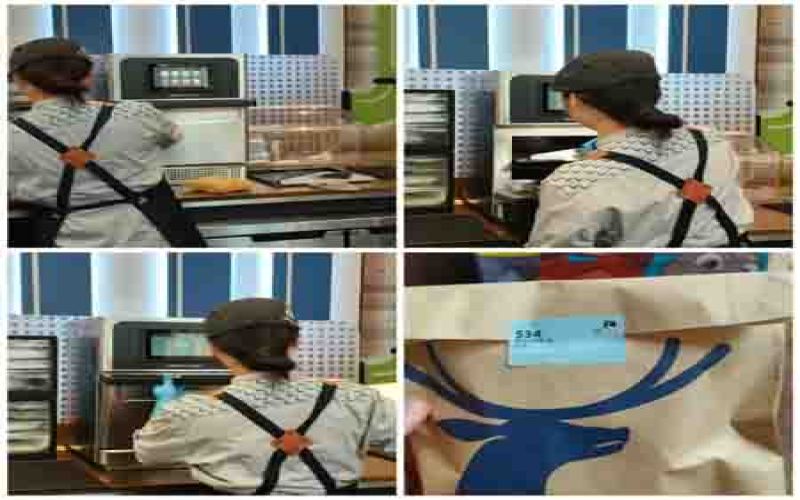
Luckin's Promotion of Oven-Heated Light Meals Sparks Heated Discussion Among Employees, Hidden Concerns Behind Consumer Applause
Recently, Luckin Coffee has become a focal point due to offering oven-heated bagels and other light meals at some stores. Consumers have welcomed this move, believing that being able to enjoy hot food during the cold season is more thoughtful. However, this change has put pressure on many store employees, who worry about increased workload and cleaning tasks. This article will explore the background of Luckin's oven rollout, employee feedback, and the possible impacts, giving you a full picture of the situation. [more…]
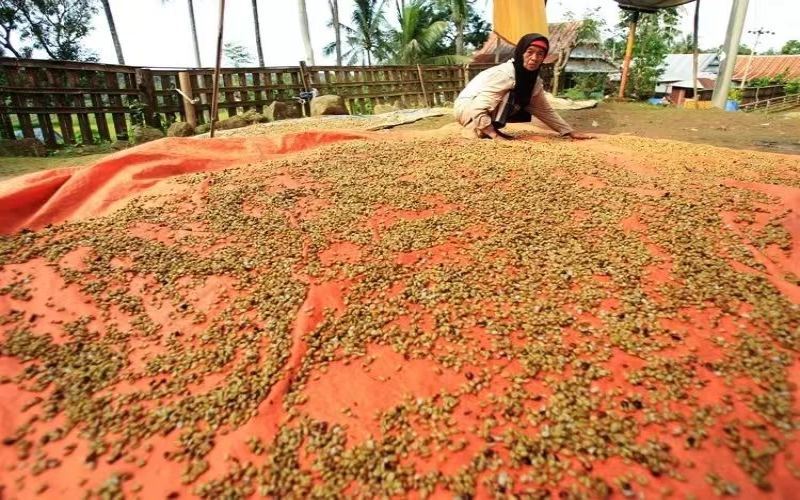
Tropical Fruit-Flavored Coffee Beans: The Flavor Rhythm After Opening
Tropical fruit flavors are often the most alluring part of coffee beans: the sweet aroma of ripe fruit, bright acidity, and an aroma that unfolds like fruit juice once it hits the palate. However, these flavors are sensitive to changes over time, so when buying beans you shouldn't just look at the flavor notes—you also need to pay attention to the roast date, the condition of the packaging, and your own daily consumption rate. After roasting [more…]
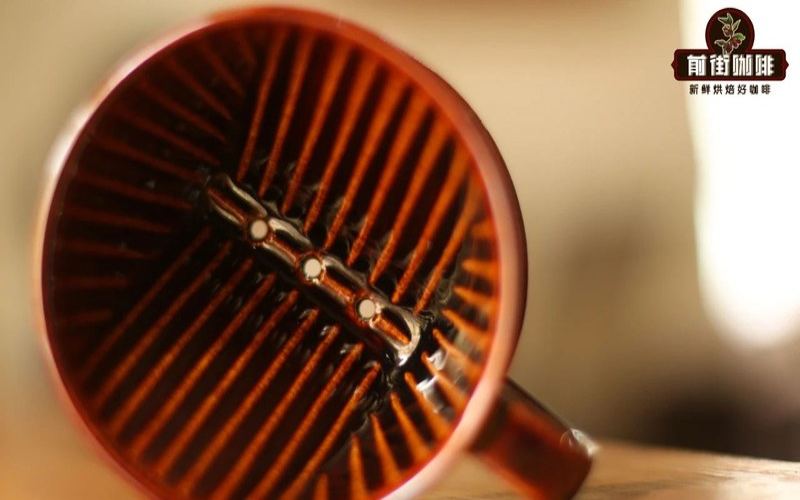
Which everyday beans to pair with a moka pot: balancing budget and drinking frequency
When it comes to everyday coffee beans suitable for a moka pot, start by thinking about how you plan to drink them each day. For everyday bean purchases, you need to consider how quickly you'll go through them, how much to buy at a time, and whether you mainly make black coffee or milk coffee at home. If you mainly drink black coffee, pay more attention to aroma and aftertaste; if you often add milk, consider whether the intensity and body can hold up. [more…]
Moka Pot + Milk Coffee: Is One Bag of Beans Enough for Home? A Buying Guide for Dark Roast Arabica
The coffee corner at home isn't very big: a moka pot, a milk frother, and occasionally I want to make a decent latte. When buying beans, the question arises—can the beans used for a moka pot and the beans used for milk coffee be the same bag? Yes, and many people do exactly that. The key is choosing the right beans: dark roast, Arabica, espresso blend, [more…]
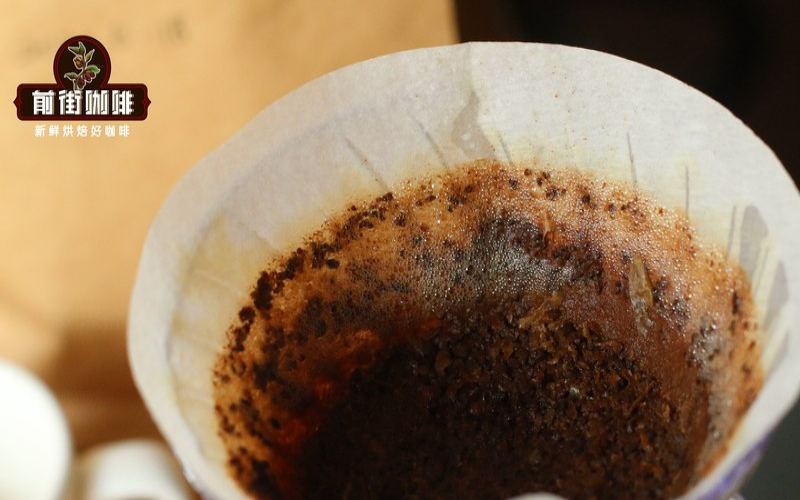
Bialetti Moka Pot Body: How to Arrange the Beans from Roasting to Cup
When coffee brewed with a moka pot has a layer of fine bubbles on its surface, it is often called crema. It is not the same as the crema of espresso; rather, it is foam formed together by carbon dioxide, coffee oils, and fine particles that hot water carries out as it passes through the coffee bed. The freshness of the beans directly affects the amount, fineness, and dissipation of this layer of foam. [more…]

Choosing Dark Roast Beans by Roast Level: A Bean Selection Approach from Black Coffee to Milk Coffee
The charm of dark roast beans lies in their aroma shifting from floral and fruity notes to cocoa, roasted, nutty, and caramelized sweetness, with a cup that is usually deeper and more grounded, and a texture that feels more substantial. It suits the moment in the early morning when you need a hearty cup of black coffee, and it also works well with milk to make a latte. If you do not particularly care for pronounced acidity, dark roast will be an easy one to grow fond of. [more…]
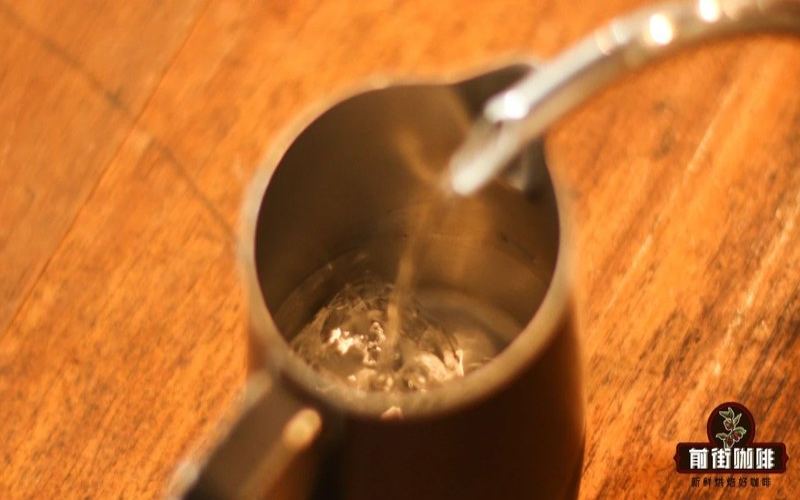
The Flavor Window of Moka Pot Latte: How to Plan from Opening to the Last Sip
When making a latte with a moka pot, the condition of the coffee beans directly affects the aroma and sweetness in the milk. If used too early, the cup may have a noticeable roasty note, and the brew can easily carry a restless acidity; if left too long, the aroma gradually weakens, and the coffee's backbone also declines. When choosing beans, besides looking at the flavor description, also pay attention to the roast [more…]

Yirgacheffe's Resting Period: How to Drink It from Roasting to After Opening
To keep Yirgacheffe from tasting sharp, don't just fixate on the words "low acidity" on the flavor chart when buying—also pay attention to the roast date and your own drinking pace. Coffee beans need to go through a degassing process from the moment roasting finishes until they reach a stable state; brew too early and you may get a pungent acidity in the cup, with aromas scattering, and so on. [more…]